Introducció

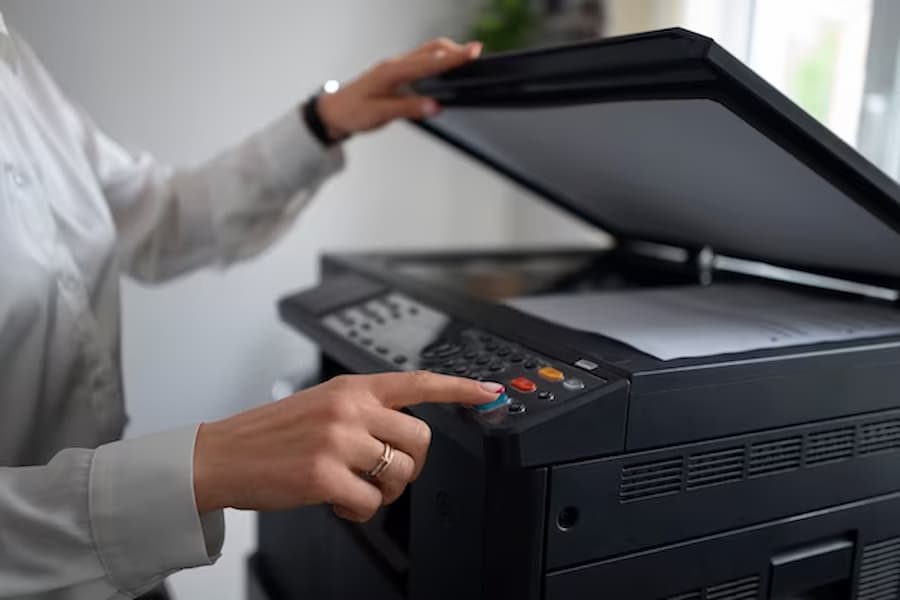
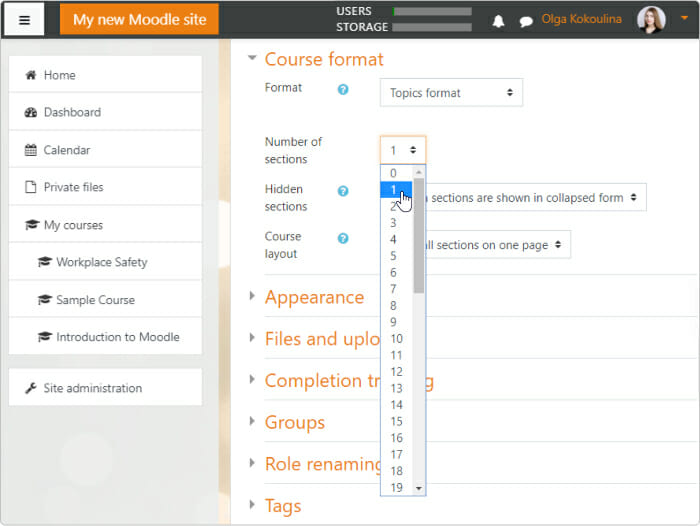
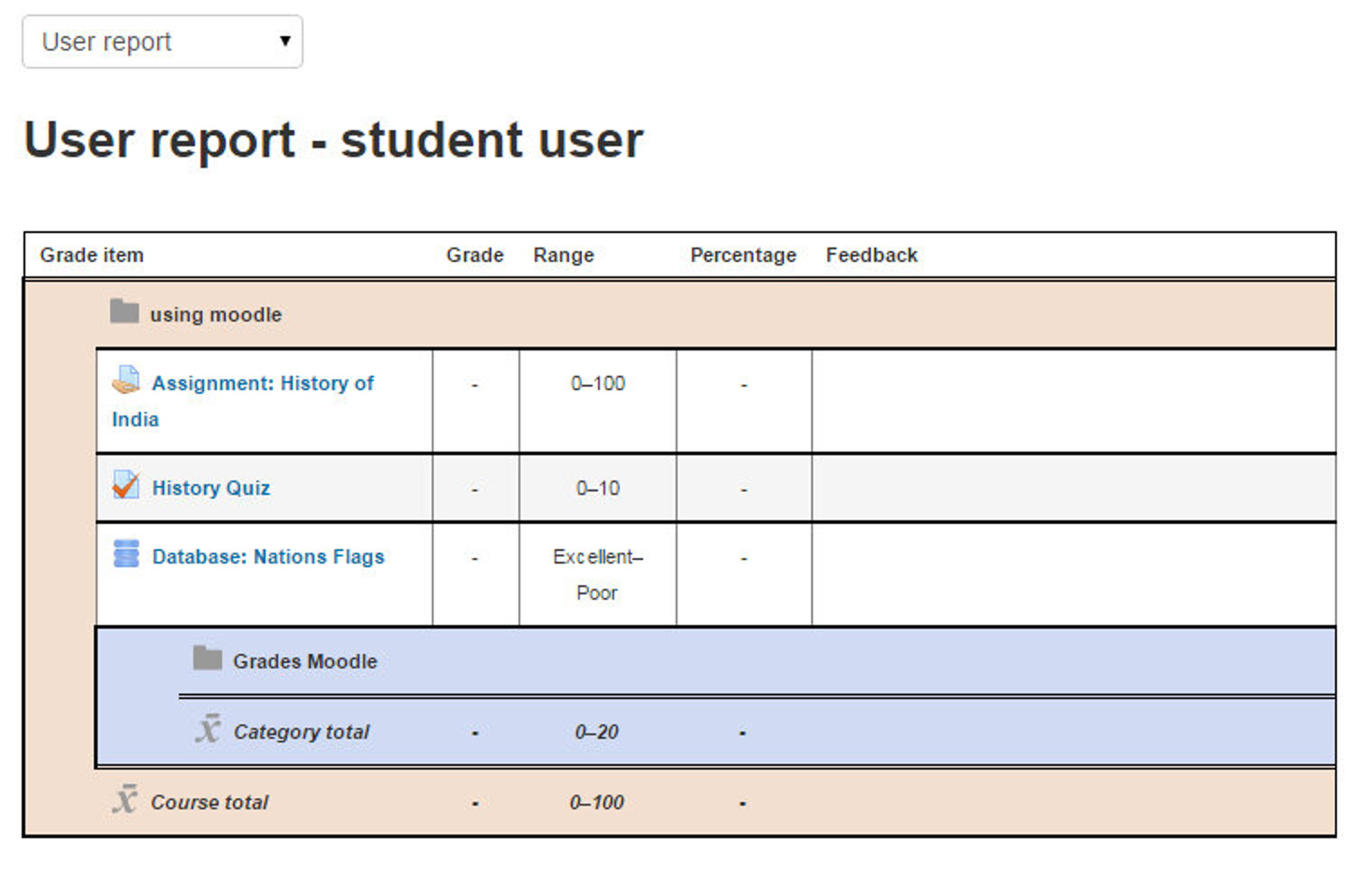
En aquest treball, hem analitzat el temps que es necessita per realitzar una prova en paper i l’hem comparat amb el temps requerit per fer la mateixa prova en format digital. Hem documentat tot amb imatges, captures de pantalla i textos clars.

Recursos temporals
Prova en paper

  • Preparació del professor: imprimir exàmens i repartir fulls → 30 minuts.
  • Realització de l’alumne: escriure respostes a mà → 60 minuts.
  • Correcció del professor: revisar cada examen manualment → 90 minuts.
  • Total temps: 180 minuts.

Prova digital

  • Preparació del professor: crear formulari o plataforma → 20 minuts.
  • Realització de l’alumne: respondre amb ordinador o tauleta → 60 minuts.
  • Correcció del professor: automàtica (si és test) o més ràpida → 30 minuts.
  • Total temps: 110 minuts.

Comparació

Tipus de provaPreparacióRealitzacióCorreccióTemps total
Paper30 min60 min90 min180 min
Digital20 min60 min30 min110 min

Conclusió: La prova digital estalvia 70 minuts en total.

Evidències

  • Imatges pròpies: fotos dels exàmens en paper i captures de pantalla de la prova digital.
  • Vídeos: demostració de com es fa la prova digital.
  • Textos clars: explicació pas a pas del procés.
  • Tot està ben organitzat i relacionat amb cada repte.

Estructura del portafolis

  • Introducció
  • Recursos temporals
  • Comparació amb taula
  • Evidències (imatges, captures, vídeos)
  • Conclusió
  • Directori d’equip – pàgina amb enllaços a la documentació de tots els integrants.

Reflexió final

Fer les proves en digital és més ràpid i eficient. A més, ajuda a reduir l’ús de paper i és més fàcil de corregir. El nostre portafolis mostra clarament aquesta comparació amb dades i proves reals.

We use cookies to personalise content and ads, to provide social media features and to analyse our traffic. We also share information about your use of our site with our social media, advertising and analytics partners. View more
Cookies settings
Accept
Decline
Privacy & Cookie policy
Privacy & Cookies policy
Cookie name Active

Who we are

Suggested text: Our website address is: https://mmartin.inscastellbisbal.net.

Comments

Suggested text: When visitors leave comments on the site we collect the data shown in the comments form, and also the visitor’s IP address and browser user agent string to help spam detection. An anonymized string created from your email address (also called a hash) may be provided to the Gravatar service to see if you are using it. The Gravatar service privacy policy is available here: https://automattic.com/privacy/. After approval of your comment, your profile picture is visible to the public in the context of your comment.

Media

Suggested text: If you upload images to the website, you should avoid uploading images with embedded location data (EXIF GPS) included. Visitors to the website can download and extract any location data from images on the website.

Cookies

Suggested text: If you leave a comment on our site you may opt-in to saving your name, email address and website in cookies. These are for your convenience so that you do not have to fill in your details again when you leave another comment. These cookies will last for one year. If you visit our login page, we will set a temporary cookie to determine if your browser accepts cookies. This cookie contains no personal data and is discarded when you close your browser. When you log in, we will also set up several cookies to save your login information and your screen display choices. Login cookies last for two days, and screen options cookies last for a year. If you select "Remember Me", your login will persist for two weeks. If you log out of your account, the login cookies will be removed. If you edit or publish an article, an additional cookie will be saved in your browser. This cookie includes no personal data and simply indicates the post ID of the article you just edited. It expires after 1 day.

Embedded content from other websites

Suggested text: Articles on this site may include embedded content (e.g. videos, images, articles, etc.). Embedded content from other websites behaves in the exact same way as if the visitor has visited the other website. These websites may collect data about you, use cookies, embed additional third-party tracking, and monitor your interaction with that embedded content, including tracking your interaction with the embedded content if you have an account and are logged in to that website.

Who we share your data with

Suggested text: If you request a password reset, your IP address will be included in the reset email.

How long we retain your data

Suggested text: If you leave a comment, the comment and its metadata are retained indefinitely. This is so we can recognize and approve any follow-up comments automatically instead of holding them in a moderation queue. For users that register on our website (if any), we also store the personal information they provide in their user profile. All users can see, edit, or delete their personal information at any time (except they cannot change their username). Website administrators can also see and edit that information.

What rights you have over your data

Suggested text: If you have an account on this site, or have left comments, you can request to receive an exported file of the personal data we hold about you, including any data you have provided to us. You can also request that we erase any personal data we hold about you. This does not include any data we are obliged to keep for administrative, legal, or security purposes.

Where your data is sent

Suggested text: Visitor comments may be checked through an automated spam detection service.
Save settings
Cookies settings