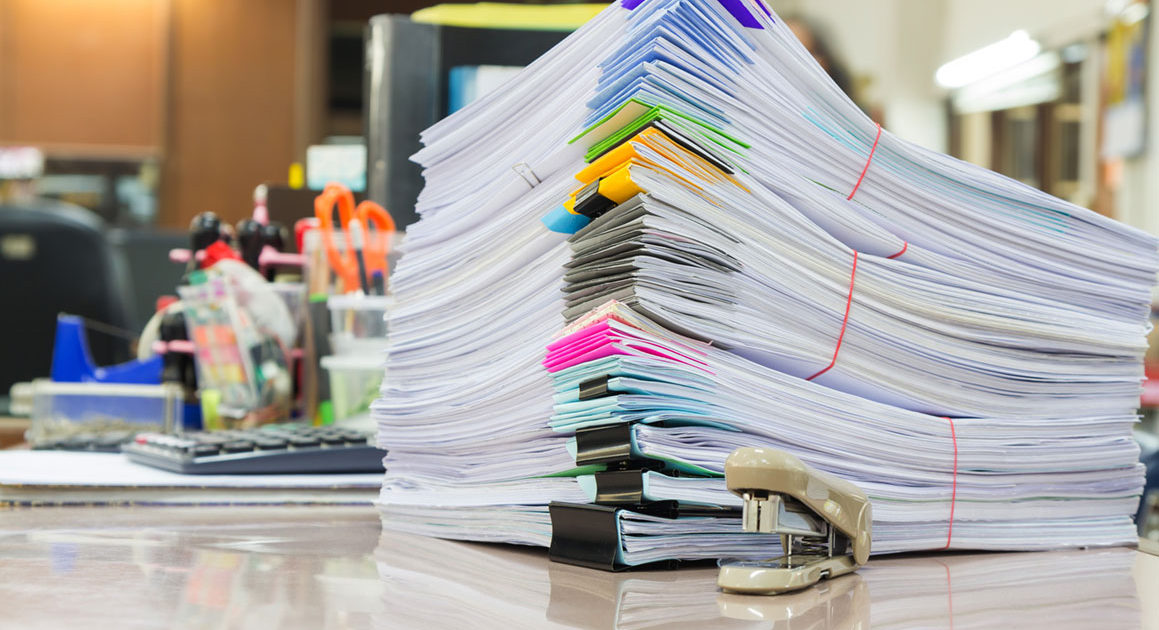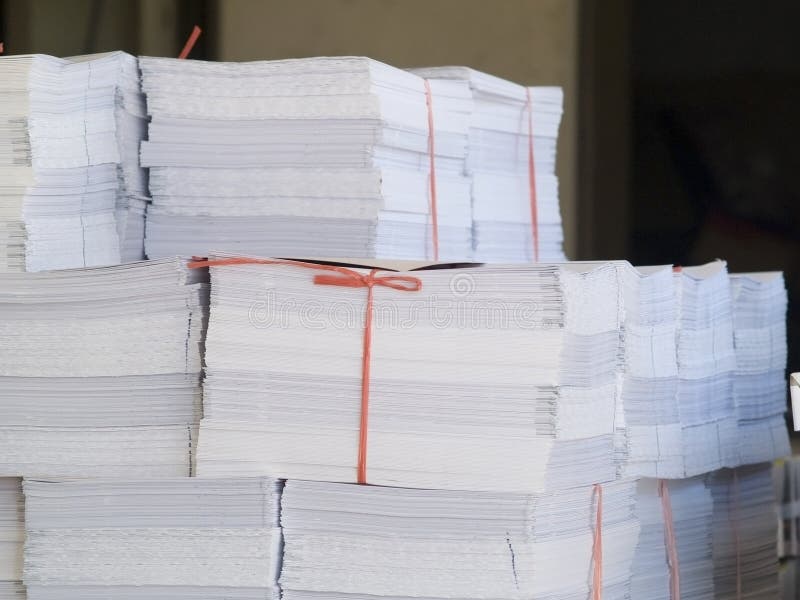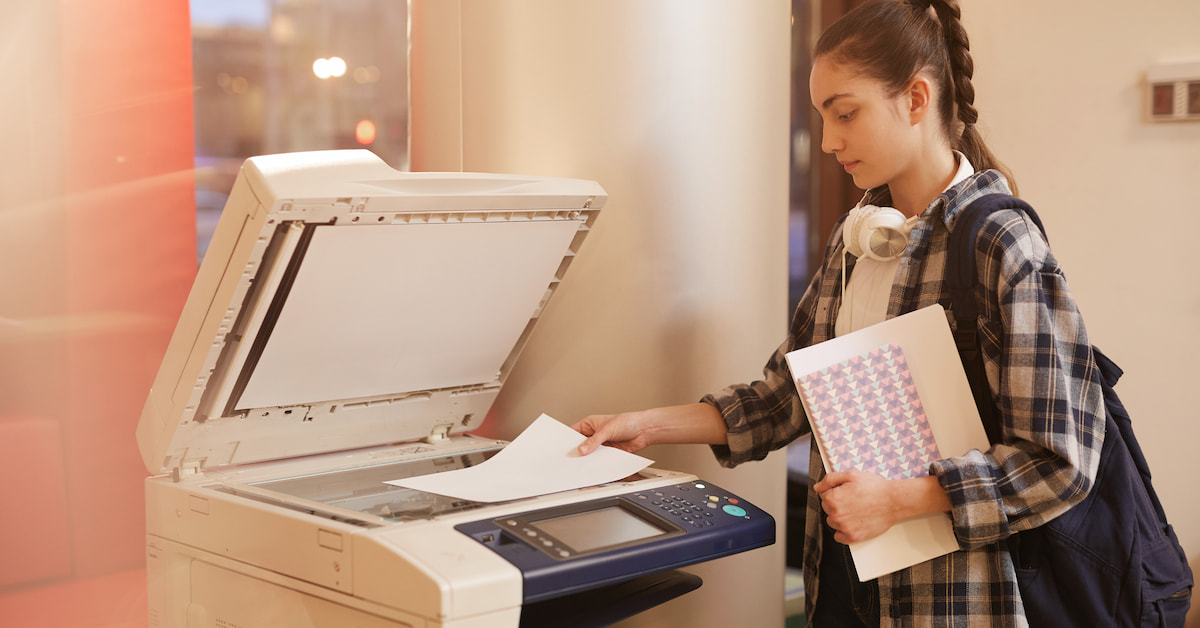
Comparativa de l’estalvi en recursos materials d’una prova en paper o en Moodle

Objectiu del repte

Analitzar i quantificar els recursos materials necessaris per realitzar una prova tradicional en format paper i comparar-los amb els requerits per la seva versió digital en Moodle.
L’objectiu és determinar l’estalvi de materials i impacte ambiental que suposa la transició cap a una avaluació digital.


2. Recursos materials utilitzats

Tipus de recursProva en paperProva digital (Moodle)Diferència / Estalvi
Fulls DIN A44 fulls per alumne × 30 = 120 fulls0–120 fulls
Tinta o tòner d’impressora0,5 cartutxos (~25 ml)0–25 ml tinta
Carpetes o grapes30 unitats0–30 unitats
Energia impressora0,5 kWh0,1 kWh (ús d’ordinadors)–0,4 kWh
Total material físicPaper + tinta + carpetesNomés energia digitalReducció del 95–100%

3. Càlcul de l’impacte ambiental

A partir de valors mitjans del sector (Font: European Environmental Paper Network, 2024):

  • Cada full de paper A4 = 5 g CO₂ en producció i transport.
  • Un cartutx de tinta = 1,2 kg CO₂.
  • 0,5 kWh d’energia = 0,225 kg CO₂ (segons el mix elèctric europeu).

💨 Emissions estimades per prova

FormatEmissions CO₂ totalsEquivalent
Paper(120 × 0,005) + (0,5 × 1,2) + 0,225 = 1,125 kg CO₂≈ recorregut de 6 km amb cotxe
Moodle(0,1 × 0,45) = 0,045 kg CO₂≈ 300 m amb cotxe
Reducció d’emissions–1,08 kg CO₂ (–96%)

Resultat: La realització digital d’una sola prova per 30 alumnes redueix aproximadament un 96% les emissions de CO₂ i elimina completament l’ús de paper i tinta.


4. Beneficis del format digital

♻️ Ambientals

  • Eliminació total del consum de paper i tinta.
  • Reducció dels residus físics i de la petjada de carboni.
  • Contribució directa als objectius de sostenibilitat (ODS 12 i 13).

💰 Econòmics

  • Estalvi de costos en paper, impressió i arxiu físic.
  • Menor manteniment d’impressores i consumibles.

👩‍🏫 Pedagògics i organitzatius

  • Correcció més ràpida i automàtica.
  • Possibilitat de reutilitzar preguntes i activitats en futures edicions.
  • Millor seguretat i traçabilitat de resultats.

5. Evidències documentals

Per validar els resultats i garantir la transparència del procés, el portafolis inclou:

  • 📸 Fotografies pròpies dels materials emprats en la prova en paper (impressió, recollida).
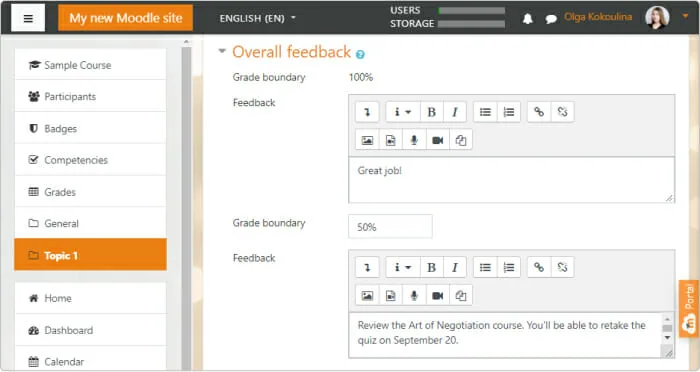
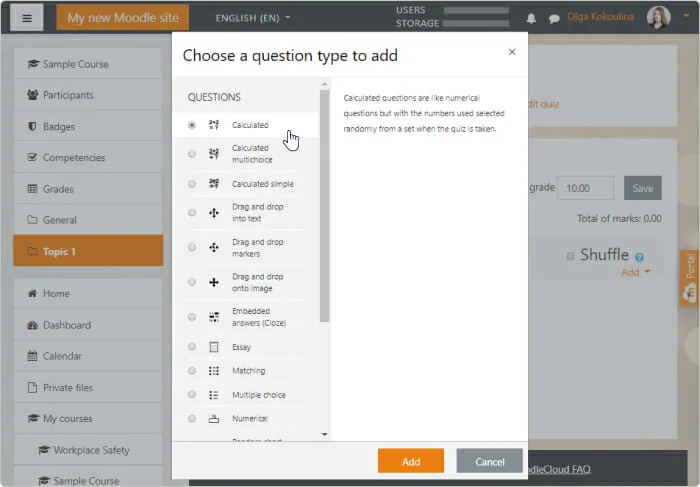
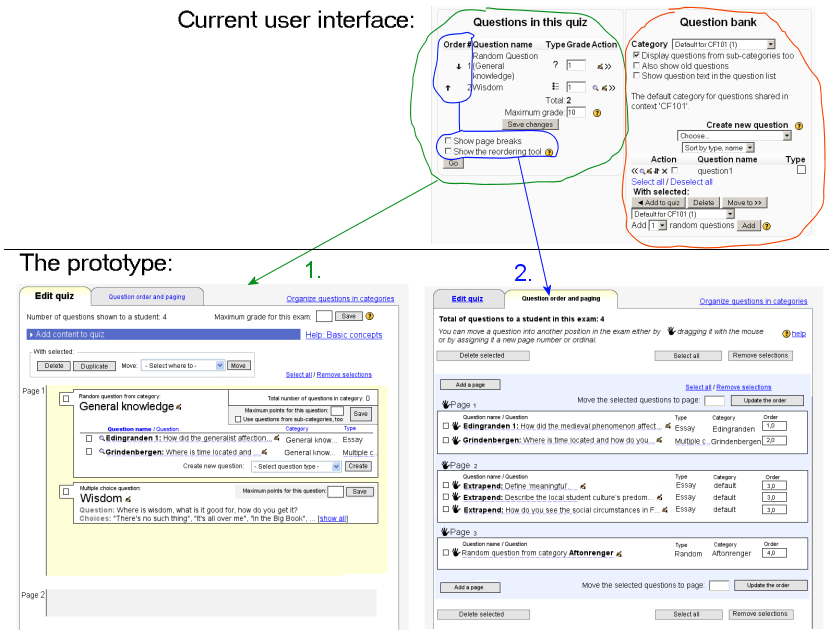
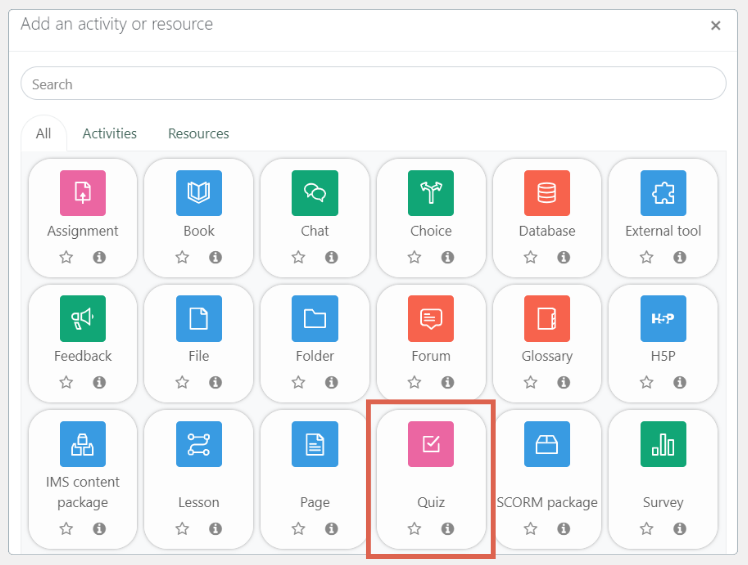
  • 🖥️ Captures de pantalla del qüestionari Moodle (configuració i resultats).
  • 📊 Gràfics comparatius d’emissions i ús de materials.
  • 📹 Vídeo breu mostrant el procés de configuració digital i comparació visual de recursos.

Tot el material està ben organitzat i enllaçat des de la pàgina directori principal, assegurant una estructura clara i funcional.


6. Conclusions

La comparativa mostra que la realització d’una prova en Moodle redueix pràcticament a zero el consum de recursos materials (paper, tinta, carpetes) i disminueix les emissions de CO₂ en més d’un 90%.

Aquest canvi no només implica un estalvi econòmic i ambiental, sinó que també promou una cultura educativa més sostenible, alineada amb els principis de l’economia verda i la transformació digital responsable.

Adoptar el format digital és, per tant, una decisió pedagògica i ambientalment coherent, que pot aplicar-se a la majoria d’activitats d’avaluació actuals.

We use cookies to personalise content and ads, to provide social media features and to analyse our traffic. We also share information about your use of our site with our social media, advertising and analytics partners. View more
Cookies settings
Accept
Decline
Privacy & Cookie policy
Privacy & Cookies policy
Cookie name Active

Who we are

Suggested text: Our website address is: https://mmartin.inscastellbisbal.net.

Comments

Suggested text: When visitors leave comments on the site we collect the data shown in the comments form, and also the visitor’s IP address and browser user agent string to help spam detection. An anonymized string created from your email address (also called a hash) may be provided to the Gravatar service to see if you are using it. The Gravatar service privacy policy is available here: https://automattic.com/privacy/. After approval of your comment, your profile picture is visible to the public in the context of your comment.

Media

Suggested text: If you upload images to the website, you should avoid uploading images with embedded location data (EXIF GPS) included. Visitors to the website can download and extract any location data from images on the website.

Cookies

Suggested text: If you leave a comment on our site you may opt-in to saving your name, email address and website in cookies. These are for your convenience so that you do not have to fill in your details again when you leave another comment. These cookies will last for one year. If you visit our login page, we will set a temporary cookie to determine if your browser accepts cookies. This cookie contains no personal data and is discarded when you close your browser. When you log in, we will also set up several cookies to save your login information and your screen display choices. Login cookies last for two days, and screen options cookies last for a year. If you select "Remember Me", your login will persist for two weeks. If you log out of your account, the login cookies will be removed. If you edit or publish an article, an additional cookie will be saved in your browser. This cookie includes no personal data and simply indicates the post ID of the article you just edited. It expires after 1 day.

Embedded content from other websites

Suggested text: Articles on this site may include embedded content (e.g. videos, images, articles, etc.). Embedded content from other websites behaves in the exact same way as if the visitor has visited the other website. These websites may collect data about you, use cookies, embed additional third-party tracking, and monitor your interaction with that embedded content, including tracking your interaction with the embedded content if you have an account and are logged in to that website.

Who we share your data with

Suggested text: If you request a password reset, your IP address will be included in the reset email.

How long we retain your data

Suggested text: If you leave a comment, the comment and its metadata are retained indefinitely. This is so we can recognize and approve any follow-up comments automatically instead of holding them in a moderation queue. For users that register on our website (if any), we also store the personal information they provide in their user profile. All users can see, edit, or delete their personal information at any time (except they cannot change their username). Website administrators can also see and edit that information.

What rights you have over your data

Suggested text: If you have an account on this site, or have left comments, you can request to receive an exported file of the personal data we hold about you, including any data you have provided to us. You can also request that we erase any personal data we hold about you. This does not include any data we are obliged to keep for administrative, legal, or security purposes.

Where your data is sent

Suggested text: Visitor comments may be checked through an automated spam detection service.
Save settings
Cookies settings